
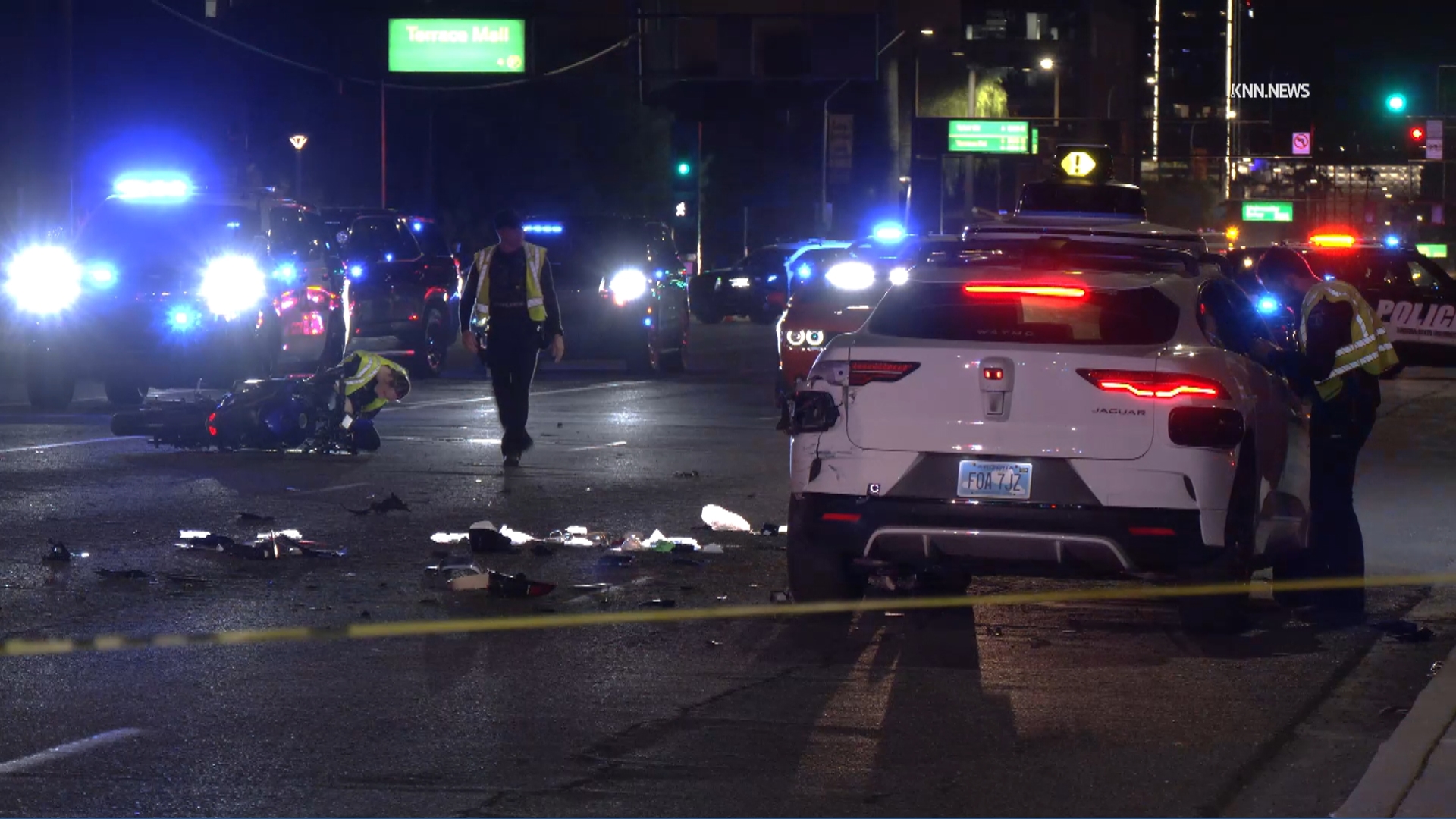
The Incident in Tempe: A Closer Look
In the early hours of a recent Sunday morning, a fatal crash in Tempe involving a Waymo vehicle sent shockwaves through the community. The incident, which resulted in the tragic death of a motorcyclist, has left residents and officials alike grappling with a mix of grief and confusion. As investigations continue, several tangled issues surrounding emerging automated technology and public safety practices are brought into focus, demanding that we take a closer look at not only what happened but also the wider implications of relying on automated systems in our daily lives.
The tragedy has spurred a heated dialogue about the role of technology in public safety. Law enforcement officials are carefully piecing together the details, trying to figure a path through the plethora of evidence and witness accounts. As the investigation unfolds, many questions arise about the effectiveness of current safety protocols for automated vehicles, and whether they are truly ready to share the road with human-operated machines.
Examining Automated Driving: Promise and Peril
Automated driving technology promises to reduce human error and improve road safety. However, incidents like the one in Tempe remind us that the technology still faces many tricky parts and hidden complexities. Technology companies and regulators alike must work through a nerve-racking process of figuring a path that addresses these complicated pieces while maintaining public trust in automated solutions.
Critics argue that relying too heavily on these systems can sometimes lead to outcomes that are full of problems. Conversely, proponents believe that with refinements and rigorous testing, automated vehicles can eventually become a key component of modern transportation. By poking around deeper into this topic, one sees that both sides use compelling data to support their views, revealing a landscape that is as full of promise as it is loaded with issues.
Understanding the Hidden Complexities
One of the most challenging aspects of integrating automated vehicles like Waymo into the mainstream is getting into the nitty-gritty of their operating systems. The incident in Tempe shines a spotlight on several subtle parts of the technology that have yet to be fully optimized or understood.
A detailed look at the system reveals some of the following hidden complexities:
- Sensor Reliability: Even minor malfunctions in sensor arrays can result in dramatic consequences on the road.
- Software Algorithms: The algorithms that interpret sensor data must make split-second decisions—a process that is both fascinating and, at times, overwhelmingly tricky.
- Interaction with Human Drivers: The unpredictable behavior of human drivers introduces another layer of complicated pieces that the automated systems must account for.
Each item on this list represents one of the nerve-racking twists and turns that engineers and regulators must manage if they are to ensure that automated vehicles are safe and reliable under varying conditions.
Lessons from Tempe: What Can We Learn?
Incidents such as the fatal crash in Tempe serve as a critical reminder that progress in technology does not come without its setbacks. The trial by fire experienced on that fateful morning is a clear indicator that there remains much work to be done before automated systems can be safely integrated into our complex traffic ecosystems.
The case has sparked debates over how much oversight these systems should have and to what extent technology developers and public policy makers should be held accountable. Stakeholders from all sides now face the daunting task of working through the evidence on hand—a task that is both overwhelming and absolutely super important for future policy formulation.
Many in the community are calling for more transparent reporting of such incidents. Detailed, unvarnished information is seen as essential by both critics and supporters of automated driving technology. While the tragedy in Tempe has had an undeniably negative impact, it has also provided an opportunity to dive in and engage in a broader conversation about technological readiness and public safety.
Public Safety and Regulatory Oversight
The Tempe incident not only raises questions about automated driving technology but also underscores the ever-present need for robust public safety measures and effective regulatory oversight. When incidents occur, they often reveal larger problems that require careful analysis and prompt action from both regulators and industry leaders.
In many cases, the work required to manage these dangerous scenarios is akin to finding your way through a maze of tangled issues. It is essential to have the right regulatory framework in place so that when unforeseen challenges arise, the system is prepared to take corrective measures swiftly and efficiently.
Establishing Clear Safety Protocols
One of the key demands from community leaders and safety advocates is the establishment of clearer and more precise safety protocols for automated vehicles. These protocols must account for the following tricky parts:
- Real-time system overrides during emergencies
- Enhanced sensor-check routines to ensure full operational readiness
- Better coordination between human operators and automated systems
- Frequent updates to software based on field performance data
By taking a closer look at these requirements, one can appreciate the fine points that need to be addressed if automated systems are to earn widespread public trust. Regulatory bodies are pushed to work through a complicated matrix of stakeholder interests while simultaneously ensuring that public safety isn’t compromised.
The Role of Government and Technological Companies
Responsibility in such situations is shared between governmental agencies and the companies producing automated vehicles. Each party must collaborate effectively and figure a path through several overwhelming challenges:
| Stakeholder | Key Responsibilities | Potential Pitfalls |
|---|---|---|
| Government Regulatory Bodies |
|
|
| Technological Innovators |
|
|
This table illustrates the careful balancing act required to ensure that technological progress does not come at the cost of public safety. Both sides face a nerve-racking process of ironing out fine details and subtle distinctions in their systems and regulations.
Community Impact and the Road to Recovery
For many residents in Tempe and beyond, the crash has transformed what was once a promising technological breakthrough into a source of unease and skepticism. As local communities work through the consequences of the event, discussions have centered on how best to move forward in a manner that is transparent, empathetic, and geared toward real change.
Community Trust in Automated Systems
Public trust in automated driving is a critical factor that will dictate the future acceptance of such technologies. In the aftermath of the crash, there has been a surge in community meetings and public forums aimed at addressing the hidden complexities of this technology.
Many community members feel that technology companies and regulators need to take a super important step back and re-evaluate their approaches to safety testing and risk management. The following points have been frequently mentioned in these discussions:
- Implementing more exhaustive testing protocols before deployment
- Increasing transparency around incident reporting and investigation methods
- Ensuring that automatic systems can be quickly overridden when human intervention becomes necessary
- Developing comprehensive education programs to help the public understand the subtle details of these systems
These approaches, if implemented effectively, could play a crucial role in reshaping how the public perceives automated vehicles, transitioning skepticism into cautious optimism. However, the balance between technological innovation and public acceptability remains a delicate one, filled with nerve-racking twists and turns.
Supporting Victims and the Broader Community
In the wake of the Tempe crash, it's also important to address the impact on the families and communities directly affected by such tragedies. The loss of life is a permanent scar, and there is a moral imperative to support those in mourning.
Community leaders and safety advocates alike have underscored the need for:
- Timely and compassionate communication with the families of victims
- Community support programs designed to provide emotional and logistical assistance
- A clear plan of action to prevent future incidents
- Transparency about investigative processes and corrective measures
These steps are not only essential for healing but also for building an environment in which technology is seen as a reliable partner rather than a potential adversary. Re-establishing trust after such a difficult incident is a process that will require persistence and accountability from all involved parties.
Media’s Role in Shaping the Narrative
The local and national media play a significant role in shaping public perception about incidents like the Tempe crash. The way an event is reported can sometimes magnify underlying tensions or, alternatively, help clarify the confusing bits associated with automated technology. In this context, the media is not merely a source of information but also a catalyst for discussion about important public safety issues.
Balancing Coverage: Objectivity Versus Sensationalism
When reporting on incidents involving high-profile technological failures, it is easy for news outlets to adopt a sensational tone in a bid to capture attention. However, such coverage risks oversimplifying the situation by reducing it to a series of intimidating headlines rather than providing a balanced understanding of the situation's many twists and turns.
Editors and journalists face the challenging task of making sure that their coverage:
- Provides detailed context and avoids oversimplification
- Includes expert opinions that help the public make informed decisions
- Highlights both the achievements and the shortcomings of emerging technologies
- Is mindful of the human cost behind each news item
In many respects, the media must work through the evidence and present the small distinctions and subtle parts that define the current landscape of automated driving technology. By taking the time to explain the key details and operational challenges, they can help steer through the often overwhelming financial and technical discussions that accompany such incidents.
Impact on Public Debates and Future Policy
As news coverage unfolds, it inevitably shapes public debates and influences policymaker decisions. In the case of the Tempe crash, it has provided a potent reminder of the pressing need for updated safety standards and more rigorous technical oversight. The media’s careful reporting has the potential to convert public concern into constructive policy dialogue, one that can eventually lead to safer roads and better technological practices.
Some believe that this incident should serve as a turning point. Policy makers are now under increasing pressure to address the little details that matter—from upgrading testing procedures to ensuring that robust fail-safe mechanisms are an integral part of every automated system. By digging into the situation from multiple angles, the press is playing a super important role in helping society see the full picture.
Looking Ahead: The Future of Automated Transportation
While the Tempe crash is a tragic reminder of the ongoing challenges in automated driving technology, it also serves as a catalyst for change and improvement. The incident has accelerated calls for better testing, stricter safety protocols, and a more transparent dialogue between regulatory agencies, tech companies, and the community.
The road ahead is undeniably complicated. As society works through this nerve-racking juncture, there remains a cautious optimism about the future of automated transportation. Efforts are being made to address the confusing bits and tangled issues that have hindered broader acceptance of such technology over the years.
Key areas where improvement is expected include:
- Enhanced real-time monitoring systems in automated vehicles
- Expanding training programs for emergency responses to technological failures
- Further refining algorithmic decision-making processes in critical moments
- Improved collaboration between tech innovators and governmental oversight bodies
As stakeholders pace forward in this challenging journey, it is super important that all parties remain committed to learning from each incident—no matter how intimidating the underlying issues may be. Each failure and success provides valuable insights that can help transform the way technology is integrated into everyday mobility.
New Technological Standards and Industry Innovations
In response to the incident and the mounting pressure for change, industry leaders are actively working on updating the standards that guide automated systems. These efforts involve a comprehensive review of testing methods, system architecture, and the human-machine interaction interface. By working through these initiatives together, the industry hopes to develop solutions that address the little twists that can make or break a system's reliability.
Some recent innovations include:
- Advanced sensor arrays that are designed to function better in adverse conditions
- Adaptive software that can respond to sudden changes in the environment
- Integration of multiple data sources to build redundancy in decision-making
- Collaborative partnerships between tech firms and academic researchers to explore untapped data insights
These developments, though still in the early stages, promise to add layers of safety and robustness to automated vehicles. Although the path to a fully automated and safe transportation system is riddled with tension and hidden complexities, each incremental improvement brings us one step closer to realizing its full potential.
Rethinking Accountability and the Role of Human Oversight
The fallout from the Tempe incident has also forced us to rethink how accountability is assigned when technology fails. The age-old debate of human versus machine in areas such as public safety is as relevant as ever, and the discussion continues to evolve in the context of today's automated systems.
There is a growing consensus that, while technology can perform many tasks with remarkable precision, the human element remains indispensable in overseeing, intervening, and ensuring public trust. This means that both human drivers and automated systems must be prepared to take charge when the situation calls for a rapid response.
Integrating Human Oversight with Automated Systems
Although automated systems are designed to reduce road accidents by minimizing human error, they are not immune to failure. This reality underlines the necessity of integrating an effective human oversight mechanism as a part of the overall system safety net. Some essential strategies include:
- Emergency Control Protocols: Operators must be trained to take immediate control in unexpected scenarios. A clear, predefined protocol helps figure a path through any nerve-racking situation.
- Regular System Audits: Frequent inspections and performance reviews can help detect the subtle details and little twists in system performance before they escalate into serious issues.
- Collaborative Decision-Making: Combining the strengths of machine precision with human adaptability could mitigate the overwhelming challenges posed by sudden emergencies.
By integrating these measures, we can work through the intensity of public doubts and enhance the overall safety of automated driving. The goal is to establish a partnership where automated systems and human oversight complement one another—each covering the gaps left by the other.
Training and Transparency in Incident Investigations
Another super important area that demands attention is the transparency and thoroughness with which incidents are investigated. The way post-incident investigations are handled directly affects public trust and informs better future emergency response strategies. To ensure that investigations are conducted comprehensively, reviewers should:
- Involve independent experts to provide unbiased insights
- Disclose as much detail as possible about the chain of events
- Implement lessons learned into updated training programs for both technological and human responders
- Regularly publish findings so that the community is kept in the loop
This approach not only reassures the public that every avenue is being explored to prevent repeat occurrences but also energizes the system with fresh perspectives and evidence-based modifications. A more transparent investigative process stands as a cornerstone for rebuilding trust after such tragic events.
Conclusion: Charting a Path Forward
The fatal crash in Tempe involving a Waymo vehicle is a sobering reminder that progress, while exciting, comes with its own share of overwhelming challenges and tangled issues. As the investigation continues, it is clear that a balanced view of emerging automated driving technology is essential. This incident has provided a unique opportunity to take a closer look at where current systems fall short and how both technological innovators and government regulators can learn from these experiences.
Public safety, technological advancement, and media integrity are all intertwined in this complex landscape. By working through the evidence and making data-driven decisions, stakeholders can ensure that safety protocols evolve to meet new challenges. The collaboration between technology companies, regulatory bodies, and community members is crucial in managing the fine points of this transition.
While the road ahead may still be loaded with issues and nerve-racking twists, it is equally filled with the promise of improvement. As we navigate the future, we must remember that every setback is an opportunity to dig into the subtle parts of our systems, making them more robust and reliable for everyone. We owe it to the victims and their families to not only remember the tragedy but to also learn from it, ensuring that future technologies are safer and more responsive to the realities of everyday life.
The Tempe incident has sparked a vital conversation—a conversation that challenges us to embrace accountability, foster transparency, and create a safer environment for all road users. As the debate continues, it is clear that thoughtful, collaborative efforts will be key in steering through these overwhelming challenges and creating a future where technology and human oversight work in tandem for the common good.
Indeed, the call for improved safety in automated driving has never been more clear. In the wake of this tragedy, community leaders, technology experts, and policymakers are called to work together—to figure a path through each daunting twist and turn, and to build a future where technology serves as a reliable partner rather than a potential threat. Only through these concerted efforts can we hope to restore public trust and move forward in a manner that preserves human life while embracing the benefits of technological progress.
The incident in Tempe stands as a turning point, one that highlights the need for rigorous oversight, comprehensive training, and most importantly, a willingness to engage with the complicated pieces of modern transportation technology. As we remember the lives lost and consider the lessons learned, let this be a catalyst for change—a call to action that unites all those who care about safety, innovation, and the betterment of our communities.
In the end, ensuring the safe integration of automated vehicles is not merely a technological challenge, but a societal one. It requires empathy, accountability, innovation, and a relentless commitment to improvement. As we take stock of the events in Tempe, let us resolve to address each overwhelming challenge head-on, to rework the safety protocols, and to ultimately build a safer future for all road users. Let us work through the hidden complexities and fine points with care and precision, so that one day, the promise of technology can be enjoyed without fear, and every road is a place of hope rather than hazard.
Originally Post From https://www.fox10phoenix.com/video/1707626
Read more about this topic at
Waymo, 2 other vehicles in deadly crash near ASU Tempe
Motorcyclist run over after rear-ending Waymo near ASU ...


0 Comments:
Post a Comment
Note: Only a member of this blog may post a comment.