
The Tense Saga of the Phoenix Shootings: A Closer Look at a Tragic Legal Journey
The recent conviction in Arizona for a string of fatal shootings has sparked heated discussions among legal experts, community members, and policy advocates alike. With emotions running high and questions lingering about the twisted sequence of events, this case offers a rare glimpse into the tangled issues that arise when the law meets tragedy. In this opinion piece, we examine the narrative behind the conviction while taking a closer look at the key twists and turns of the case—the complicated pieces that have left both victims and the community in deep shock.
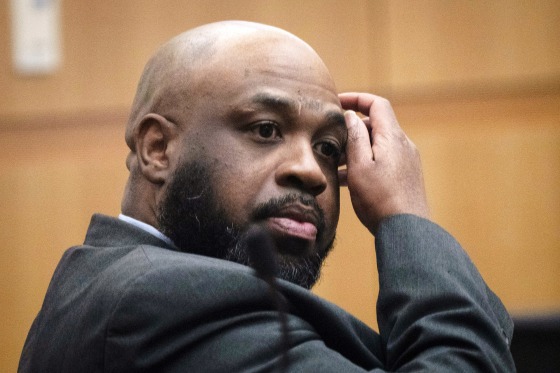
The conviction of Cleophus Cooksey Jr., who now faces the death penalty, came after an extensive trial that captured the nation’s attention. Over a three-week span in late 2017, Cooksey was accused of various murder charges, along with kidnapping, sexual assault, and armed robbery. His victims ranged from random passers-by to even a member of his own family. As we examine this case, it becomes clear that understanding the fine points of such a trial involves more than just facts; it means navigating a narrative riddled with tension, conflicting evidence, and hefty legal procedures.
Unpacking the Timeline: A Closer Look at the Fatal Events
Observing the sequence of events helps us piece together the story behind this multifaceted case. Although the details remain complex, breaking the timeline into manageable segments can help us figure a path through the confusing bits of what exactly transpired.
Chronology of the Tragic Shootings
A helpful way to visualize the timeline is through the following table. It highlights the dates, victims, and key pieces of evidence that law enforcement used to establish a case against Cooksey:
| Date | Event Description | Key Observations |
|---|---|---|
| November 27, 2017 | Two young men, Parker Smith (21) and Andrew Remillard (27), fatally shot in a parked vehicle | Evidence from the scene and witness accounts indicated random targeting in a public parking lot |
| December 2, 2017 | Security guard Salim Richards (31) shot while walking to his girlfriend’s apartment | First indication of a more organized method, suggesting possible premeditation for at least some of the crimes |
| Mid-December 2017 | Two additional murders in Glendale involving Latorrie Beckford (29) and Kristopher Cameron (21) | The killings occurred at apartment complexes, making it increasingly challenging for investigators to pinpoint a single motive |
| Shortly After | Maria Villanueva (43) found dead; DNA evidence linked Cooksey to the scene | A gruesome discovery that added an extra layer of distress to the case |
| December 17, 2017 | Shooting at Cooksey’s mother’s apartment; the demise of his mother and stepfather with key physical evidence found at the scene | This final act shockingly intertwined personal betrayal with public violence |
Breaking down the timeline in this manner allows us to see the gradual escalation of events and the buildup of evidence that ultimately led to Cooksey’s conviction. Yet, this chronology also reveals many slippery and tangled issues that made the investigation particularly nerve-racking for both law enforcement and the public.
Understanding the Legal Process: The Courtroom’s Role Amid Confusing Evidence
The courtroom is often viewed as a stage where justice attempts to be served with clarity. However, in cases like Cooksey’s, the trial’s fine details and hidden complexities introduced many challenges. Working through the evidence and testimonies was no small task—lawyers and judges alike had to steer through a series of tricky parts that were loaded with problems.
The Struggle to Find Clear Motives
One of the most perplexing aspects of Cooksey’s case is the absence of a definitive motive. The killings, which targeted both unknown individuals and family members, left investigators with the following puzzling questions:
- How do random acts of violence suddenly merge with deeply personal family betrayals?
- What psychological or situational factors could compel someone to commit acts that are both public and highly intimate?
- Is it possible that some of the crimes were attempts to send a message to those closest to him?
These questions not only complicate public understanding but also challenge the legal community to consider the larger social and psychological aspects behind such events. When the prosecution presented its case, every fine shade of the evidence had to be weighed carefully against the possibility of underlying personal and societal tensions.
Delays and Discord in the Legal Arena
The trial itself was prolonged due to several delays, including periods that were off-puttingly extended by the COVID-19 pandemic. Such interruptions created a sense of on-edge tension in the courtroom, as legal experts and the public alike worried that time might erode critical memories and physical evidence. The delays led to multiple reschedulings and even raised debates about the fairness of prolonged judicial proceedings, particularly in cases involving life-and-death outcomes like the death penalty.
Every delay introduced its own set of tricky parts. For instance:
- Witness Reliability: Over time, recollections of the events became less clear, making it even more challenging to rely on verbal testimonies.
- Evidence Integrity: Extended delays risked questions about the proper maintenance of physical evidence.
- Legal Defense Strategy: The defense had more time to prepare alternative narratives, which added layers to the already complicated tapestry of the case.
The Impact on the Community: Ripple Effects Beyond the Courtroom
The reverberations of these events extend far beyond the confines of courtrooms and legal debates. The victims are not merely names in a case file; they represent lives lost and communities forever changed. The tension felt by residents in Phoenix and surrounding areas remains palpable, and the trial has given rise to myriad opinions regarding justice, safety, and the reliability of the criminal justice system.
Loss and Legacy: Remembering the Victims
When analyzing the very human cost of this case, we must recognize the great loss experienced by the families of the victims. For many, the trial’s outcome has provided a sense of closure—despite the lingering questions about how and why these tragedies happened. For example, the anguished cry of Adriana Rodriguez, who lost her mother, echoes the pain felt by many who now face a future without their loved ones. Such emotional testimonies remind us that justice is not merely a legal outcome but also an essential part of communal healing.
The human toll of violence compelled by both random malice and deep-seated personal grudges cannot be understated. In communities rife with similar tensions, such tragic events spur efforts to implement more supportive systems focused on healing and prevention. As those directly affected continue to cope with their losses, the importance of transparent and heartfelt public accountability has become super important.
Community Reactions and the Quest for Healing
Beyond the courtroom, the case has ignited discussions about what more can be done to prevent such episodes of violence. Community leaders and local organizations have started initiatives to support victims' families and to tackle the underlying issues that may give rise to similar tragedies. Some of these initiatives include:
- Neighborhood Safety Programs: Increasing local patrols and community watch initiatives that help residents feel secure.
- Crisis Counseling Services: Offering psychological support to those affected by violence.
- Public Forums and Town Halls: Encouraging open communication between law enforcement and community members to rebuild trust.
These community efforts reflect a broader desire not only to confront the immediate painful legacy of the shootings but also to tackle the underlying social issues in a way that will make future tragedies less likely. When communities come together to address these troubling challenges, there is hope that they can slowly make their way through the maze of grief and anger toward meaningful change.
Tangled Issues in the Pursuit of Justice: A Look at the Death Penalty Debate
The case of Cleophus Cooksey Jr. has also forced society to take another hard look at the death penalty debate. Many legal scholars and community members wonder if the potential execution of Cooksey will indeed serve justice or further complicate an already complicated situation. The decision to pursue the death penalty is one that is full of problems and subtle details that society is still grappling with today.
Comparing Perspectives on Capital Punishment
As the legal community weighs the implications of a death sentence, several key points come to the forefront. It is critical to appreciate both the arguments in favor of and those opposed to capital punishment:
| Arguments in Favor | Arguments Against |
|---|---|
|
|
In a case as emotionally charged as that of Cooksey’s, sorting out the pros and cons of the death penalty is not merely an academic exercise. It touches on the heart of how justice is rendered and challenges society to think hard about whether the execution of a convicted offender truly helps heal the wounds inflicted upon the community.
Analyzing the Fine Points of Legal Sentencing
The sentencing phase of a trial is full of tiny twists that can define the future of everyone involved. For Cooksey, the looming death penalty represents much more than just a legal outcome—it serves as a reflection of society’s attitude toward violence, personal redemption, and the possibility (or impossibility) of rehabilitation. The mixed opinions expressed both inside and outside the courtroom illustrate just how loaded with issues this matter is.
Critics of the death penalty often argue that the system does not always adequately consider the minute details of each case. In Cooksey’s situation, questions remain about:
- The influence of past criminal convictions, including previous involvement in violent incidents and prison releases.
- The potential for the criminal justice system to learn from past mistakes and adopt better measures when investigating similarly nerve-racking cases.
- The effectiveness of using capital punishment as a deterrent, particularly when surrounded by multiple instances of shooting-related violence in the region.
While the truly affected families and communities search for a measure of closure, legal experts warn against letting emotion override the need for a process that is fair, deliberate, and focused on establishing a clear set of facts. The interplay of these opinions and the reality of a case as complex as this one underscores the need for continuous evaluation of our legal practices.
Reflecting on the Past: Comparison With Earlier Serial Shooting Cases in Phoenix
The public memory of previous violent events in metro Phoenix also plays a significant role in framing the narrative of Cooksey’s trial. Prior incidents, such as the freeway shootings of 2015 and the case involving bus driver Aaron Juan Saucedo, have both contributed layers of public mistrust and fear. These earlier cases not only heightened the community’s sense of vulnerability but also influenced public perceptions of the legal system’s readiness to handle serial shooting incidents.
Lessons from the 2015 and 2016 Shooting Cases
Both earlier scenarios in Phoenix left behind their own series of questionable lessons and small distinctions that have come to influence opinions about what constitutes fair punishment. The following is a summary of lessons drawn from these cases:
- Public Awareness and Communication: Earlier cases were simultaneously followed by swift law enforcement responses and subsequent media coverage. In contrast, Cooksey’s crimes did not immediately receive mass publicity, leaving many to wonder what information upfront could have helped prevent further tragedies.
- Investigative Approaches: The nuances in evidence-gathering methods highlight how rapidly evolving techniques in forensic science and witness management can make or break a case. When evidence starts out as a complex jumble of noise, even the smallest misstep in procedure can lead to a nerve-racking trial process.
- Impact of Judgment Delays: As demonstrated in previous cases, delays in trial proceedings can influence the outcome in ways that extend far beyond the courtroom. These delays pose additional challenges to both the prosecution and the defense, further complicating an already tangled narrative.
Reflecting on these cases invites us to reexamine the current state of the investigative process and the overall responsiveness of law enforcement in sprawling metropolitan areas. Such an analysis helps ensure that the smallest elements of evidence are not overlooked and that every step towards justice is taken with the utmost care.
Dissecting the Role of Past Convictions and Their Influence on Present Cases
One of the more notable factors in Cooksey’s case is his criminal record. Having been previously convicted in relation to a manslaughter charge stemming from a 2001 incident, his background painted a picture that both intrigued and alarmed legal experts and the public alike. This historical lens adds another layer to the discussion about how past behavior should influence modern sentencing.
Weighing Historical Actions Against Current Crimes
When evaluating an individual’s entire history, certain subtle parts of the evidence become important in determining the final outcome. In Cooksey’s trial, several arguments came up around the influence of his past:
- Could his previous involvement in violent activities serve as a definitive indicator of his future danger to society?
- Does a history of criminal behavior justify a harsher sentencing compared to a first-time offender?
- Are there mitigating circumstances, such as attempts to reform or rehabilitate, that should be taken into account despite a long track record?
While proponents argue that a history of violent behavior should lead to stringent punishment, others suggest that every case deserves a fresh look—especially when individual psychological changes over time may offer a new perspective on one’s actions.
A focused look at the small distinctions between past and present conduct reveals that the process of retribution is laden with tricky parts. Professionals in the legal sphere must work through these details to promote a system that is not only fair but also adaptive to changes in human behavior over time.
Community and Legal Responsibility: Braving the Intimidating Future
The aftermath of such brutal crimes extends well beyond the immediate circle of victims, touching on hanging legal responsibilities shared by communities and the judicial system alike. As families, citizens, and legal experts continue to grapple with the consequences of Cooksey’s actions, the case serves as a reminder of the broader need for systemic changes that address not just reactive measures but proactive prevention strategies.
Strengthening Public Safety and Trust in Legal Institutions
To restore public confidence, it is super important that both law enforcement and the judicial system engage in self-reflection and reform. Some steps that could help ensure a more transparent and patient legal process include:
- Enhanced Community Outreach: Building bridges between law enforcement, the courts, and communities can help ease long-standing tensions and foster a cooperative spirit.
- Improved Evidence Handling Procedures: With the rapid pace of technological advancements, updating forensic methods can help reduce the risk of evidence being lost in translation during long delays.
- Judicial System Reforms: Walking through procedural tweaks to enable faster case resolutions without compromising the quality of justice proves essential when public safety is on the line.
By taking a closer look at such reforms, the involved institutions can better address the subtle details that often create roadblocks in the path to justice. When everyone involved finds a way to manage their part of the system—whether it be investigating a case, handling evidence, or supporting the victims—a comprehensive framework for safer communities can develop.
Balancing Deterrence With Rehabilitation
The long-standing debate surrounding capital punishment also begs the question: How do we balance the need for deterrence with the equally important need for opportunities for rehabilitation? In Cooksey’s case, this dichotomy is highly evident. On one side, some argue that enough has been done to protect society from a known danger, while on the other, the possibility of rehabilitation, however slim, might offer some hope for a broken individual.
Some points worth considering in this debate are:
- Social Deterrence: The sentencing in high-profile cases sends a strong message to would-be offenders about the consequences of violent crimes.
- Risk of Miscarriage of Justice: Relying heavily on past convictions can sometimes overshadow potential signs of genuine remorse or change.
- Humanizing the Legal Process: Even in cases that are as nerve-racking as this one, every legal decision must be weighed not just in terms of punishment, but also in terms of the lasting impact it has on society’s sense of fairness.
By addressing these fine points, policymakers and legal authorities can work together to adopt strategies that not only punish, but also, where practical, provide avenues for rehabilitation. Doing so might help reduce the cycle of violence that has, in many ways, defined parts of recent American history.
Looking Ahead: The Ripple Effects of This Landmark Case
As the legal process continues and the debate over the death penalty intensifies, the Cooksey case stands as a stark reminder of the challenges that lie ahead in the realm of criminal justice. Every twist and turn of the trial informs broader conversations about how we define justice and how we support communities in the aftermath of such tragedies.
Potential Reforms and the Future of Criminal Justice
For many legal observers, this case could serve as a catalyst for reforms aimed at smoothing out the confusing bits that often hamper swift justice. Some potential changes that might arise from reexamining this case include:
- Streamlined Trial Procedures: By addressing long delays and ensuring that all evidence is meticulously preserved and reviewed, the legal process can be made more efficient.
- Enhanced Forensic Methods: Investing in better technology and new investigative techniques could help reduce the nerve-racking aspects of evidence handling, ensuring that future cases are built on rock-solid details.
- Community Engagement Initiatives: Empowering communities with forums and regular updates on high-profile cases might help bridge the gap between legal institutions and the public they serve.
While these suggestions are not cure-alls, they represent starting points for meaningful change. When legal experts, community leaders, and policymakers work together, the possibility of a more transparent, efficient, and empathetic criminal justice system becomes a more likely reality.
Legal Ethics and Accountability in High-Profile Cases
The Cooksey trial has not only shone a spotlight on the actions of one individual but also raised questions about the legal ethics and accountability that surround cases of this magnitude. From the conduct of law enforcement to the ethical obligations of prosecutors and defense attorneys, each layer of responsibility must be examined closely.
Key considerations include:
- Adherence to Legal Protocols: Ensuring that every step of a high-profile case is carried out according to established procedures helps maintain public trust.
- Transparency in Courtroom Decisions: By making detailed accounts and rational explanations available, legal institutions can help the public understand the reasons behind difficult rulings.
- Continuous Legal Education: Keeping legal professionals updated on the latest investigative techniques and ethical standards is imperative, particularly in cases that are as loaded with issues as this one.
When the legal community takes accountability for every small twist and turn within the judicial process, it not only honors the memory of the victims but also steers through a path toward a more fair and balanced administration of justice.
Conclusion: Striving for Justice in a World of Tangled Issues
The conviction of Cleophus Cooksey Jr. in connection with a series of brutal shootings has brought to light a myriad of legal dilemmas—ranging from the handling of evidence over nerve-racking trial delays to the enduring debate about the death penalty. While the case has provided some sense of closure for the grieving families, it also stands as a testament to the complicated pieces that characterize our criminal justice system.
The case forces us to question whether our system can truly manage to get around the complicated pieces that are inherent in dealing with violent crimes. It also demands that we, as a society, work through the intertwined issues of legal ethics, public safety, and community healing. As debates continue and reforms are considered, the lessons drawn from this case will remain essential in guiding future policy changes—ensuring that justice, in all its layers, remains both fair and comprehensive.
In a time when the public’s trust in legal institutions is more precarious than ever, it falls upon all stakeholders to work together to figure a path through these tangled issues and to build a system that not only punishes wrongdoing but also supports true healing and reformation. As we move forward, let the memory of those who lost their lives be a constant reminder of the urgency behind every legal reform and every effort to make our community safer.
Only by committing to transparent processes, by relentlessly addressing the nerve-racking delays and tricky parts of legal proceedings, and by consistently engaging with the community can we hope to establish justice that is both comprehensive and compassionate for the future.
Originally Post From https://www.columbian.com/news/2025/sep/26/arizona-jury-convicts-man-in-string-of-shootings-that-killed-8-in-metro-phoenix/
Read more about this topic at
List of serial killers active in the 2020s
Serial killer Joseph Naso calls I-Team from prison as he ...


0 Comments:
Post a Comment
Note: Only a member of this blog may post a comment.